
How to Choose the Best Coffee Table for Your Living Room
This post may contain affiliate links, which means I might make a small commission (at no extra cost to you) if you decide to make a purchase through one of these links. I only recommend products I actually use or genuinely believe will bring value to your home. Thank you so much for the support!
1/27/2026
Understanding Your Living Room Style
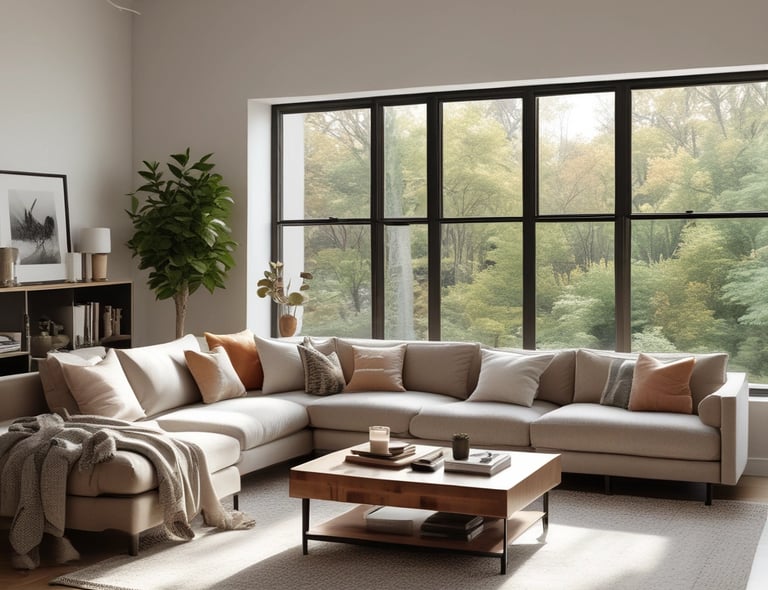
When it comes to selecting the perfect coffee table for your living room, understanding the overall aesthetic of your space is paramount. Each interior design style embodies distinctive features, and recognizing your living room's style can significantly streamline your choice. Styles such as modern, traditional, minimalist, and bohemian each exhibit unique characteristics that dictate the kind of coffee table best suited to enhance the decor.
In modern interiors, simplicity and sleek lines are crucial. You might opt for a glass or metal coffee table that complements the clean aesthetic. Striking a balance between functionality and artfulness, your chosen coffee table should boast geometric shapes or modular designs for a cohesive look. For those embracing a traditional style, consider a more ornate option, perhaps a wooden table with rich finishes. Traditional designs often integrate intricate carvings or antique influences, creating a charm that resonates well with classic themes.
On the other hand, if your living room leans towards a minimalist style, a simple, streamlined coffee table will reflect that ethos. Look for designs that feature light colors and unobtrusive forms. Materials such as light wood or acrylic can enhance the airy feel associated with minimalism. For a bohemian-inspired space, you have more leeway to express creativity. Consider a coffee table that employs eclectic materials, such as reclaimed wood or artisanal ceramics, to create an inviting atmosphere.
Don't overlook the importance of color schemes in your selection. A coffee table that harmonizes with existing decor can create a unified look, while contrasting tones might serve as a statement piece, adding depth and dimension to your space. Additionally, think about shapes—round tables can soften sharp corners in rooms with angular furniture, while rectangular shapes can complement a more structured environment.
Determining Size and Scale
When selecting a coffee table for your living room, understanding the significance of size and scale is paramount. The perfect coffee table should harmoniously fit within the space, complementing rather than overpowering the existing decor. To achieve this, several key measurements and proportions must be considered.
First, it's essential to measure the area where the coffee table will be placed. A classic guideline suggests that the coffee table should be about two-thirds the length of your sofa. For instance, if your couch is six feet long, a coffee table of approximately four feet would maintain visual balance. Furthermore, maintaining appropriate width is equally important—generally, aim for a width of 18 to 24 inches, ensuring there is enough space for movement around the seating arrangement.
Height plays a crucial role as well. Ideally, you want your coffee table to be parallel to the height of the cushions on your sofa, typically between 16 to 18 inches in height. This arrangement fosters ease of use, allowing guests to comfortably reach their drinks and snacks.
Placement relative to other furniture in the room is another critical consideration. A distance of 18 inches is optimal between the coffee table and nearby seating to facilitate easy movement and conversation. This spacing allows guests to sit and rise comfortably while also creating a cohesive look in your living space.
By carefully assessing these dimensions and considering how the coffee table interacts with your existing furniture, you can cultivate a practical and aesthetically pleasing layout. This attention to size and scale ensures that your coffee table serves its purpose while enhancing the overall design of your living room.
Material Selection: Pros and Cons
When choosing a coffee table for your living room, the material from which it is made plays a crucial role in its functionality and aesthetic appeal. There are several common materials used in coffee table construction, each with distinct advantages and disadvantages that cater to varying lifestyles and preferences.
Wood is one of the most popular materials for coffee tables due to its durability and timeless look. It can withstand heavy use, making it a suitable choice for households with children or pets. Furthermore, wooden tables come in various finishes and styles, providing versatility in design. However, wood can be susceptible to scratches and stains, requiring regular maintenance to keep it looking its best.
Glass coffee tables exude a modern and airy aesthetic, creating an illusion of space in smaller living rooms. They are easy to clean and resistant to stains, which adds to their appeal. Nevertheless, glass can be fragile, posing a risk in environments where safety is a concern, especially if children are present. Furthermore, fingerprints and smudges can detract from its pristine appearance, requiring frequent upkeep.
Metal coffee tables offer durability and a contemporary edge, often seen in industrial or minimalist designs. They are less likely to be damaged compared to other materials, making them a practical choice for high-traffic areas. However, metal surfaces may be prone to scratches and can become hot or cold to the touch, which might affect comfort.
Lastly, stone coffee tables, such as those made from marble or granite, are striking and durable. They provide a luxurious aesthetic that can elevate any living room's design. However, stone can be heavy and difficult to move, and may require sealing to prevent stains and damage.
Ultimately, selecting the right material involves considering your living room's overall look, the practicality required by your lifestyle, and the level of maintenance you are willing to commit to.
Functional Features to Consider
When choosing a coffee table for your living room, it is essential to consider its functional features alongside aesthetic appeal. The right coffee table can significantly enhance the usability and organization of your space. One critical aspect to evaluate is the storage options available. Tables with built-in drawers or shelves provide an ideal solution for stowing away remotes, magazines, and other items, helping to maintain a tidy living area.
Furthermore, the storage capacity can considerably influence your decision, as larger tables may offer more room to accommodate various items, while smaller models can fit snugly in compact spaces. For those who appreciate flexibility, multi-functionality is another important feature to consider. Convertible tables that can switch from a standard coffee table to a dining or work surface provide versatility, especially in smaller homes where space is a premium. Some coffee tables also incorporate built-in seating, allowing for additional functionality during gatherings or family activities.
In addition to storage and versatility, ease of maintenance is another vital consideration. A coffee table made from materials that are easy to clean, such as tempered glass or high-quality wood finishes, can ensure longevity and reduce the effort required to maintain its appearance. Surfaces that resist stains and scratches can greatly enhance the practicality of a coffee table, especially in households with children or pets.
Overall, by carefully evaluating storage options, multi-functionality, and maintenance requirements, you can select a coffee table that not only serves as a decorative centerpiece but also meets your everyday practical needs, ultimately enriching your living experience.