
The Ultimate Guide to Bathroom Vanities: Styles and Selection Tips
This post may contain affiliate links, which means I might make a small commission (at no extra cost to you) if you decide to make a purchase through one of these links. I only recommend products I actually use or genuinely believe will bring value to your home. Thank you so much for the support!
1/28/2026
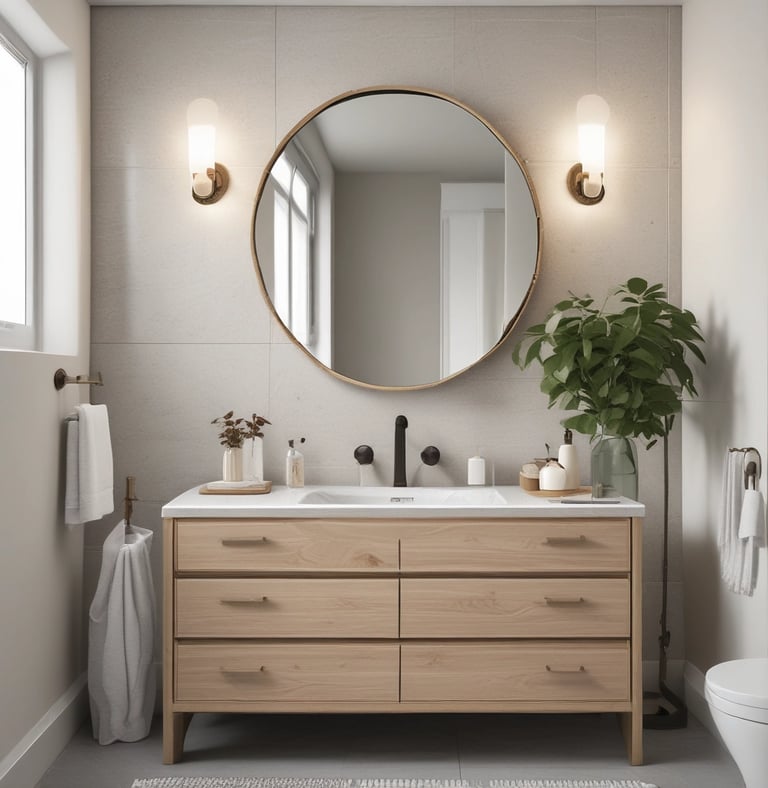
Understanding Bathroom Vanities
Bathroom vanities serve a dual purpose in home design; they enhance functionality while contributing significantly to the overall aesthetic appeal of the space. At their core, bathroom vanities are composite furniture pieces that typically include a sink, a countertop, and often a combination of drawers and cabinets for storage. This multifaceted purpose is what makes selecting the right vanity an important aspect of bathroom renovation or design.
When it comes to styles, bathroom vanities range from freestanding units that can be easily moved, to wall-mounted designs which save floor space and provide a modern look. A freestanding vanity is perhaps the most traditional choice, offering ample under-sink storage while allowing for flexible placement. However, it may take up more space in smaller bathrooms. On the other hand, wall-mounted vanities rise off the ground, creating an illusion of more space and making cleaning easier, which can be especially beneficial in compact areas.
Double vanities are another popular type, ideally suited for shared bathroom spaces. They typically feature two sinks, increasing functionality for couples or families. The downsides may include a need for larger physical space and potentially higher costs due to their size and complexity. Each type of bathroom vanity has its advantages and disadvantages, warranting careful consideration based on individual needs and existing bathroom layouts.
In essence, the choice of a bathroom vanity should not solely be influenced by appearance, but also by practical factors such as size, storage options, and user needs. It is important to assess how each style might complement the layout and design of the bathroom while fulfilling the required functionality.
Popular Styles of Bathroom Vanities
In the realm of bathroom design, selection of a vanity is a critical decision that significantly influences the overall aesthetic and functionality of the space. Various styles of bathroom vanities cater to diverse tastes and preferences. Understanding these styles can help you make an educated choice that complements your bathroom's decor.
Contemporary bathroom vanities reflect current design trends, often characterized by sleek lines and minimalistic features. Commonly made of materials such as glass and metal, they prioritize functionality while maintaining a chic appearance. A contemporary vanity often utilizes a combination of neutral colors with bold splashes, creating a striking balance.
Modern vanities, while similar to contemporary styles, tend to emphasize a more artistic approach. They can incorporate innovative materials and creative designs, showcasing unique textures and shapes that transform the bathroom into an art piece. A modern vanity might feature asymmetrical forms, engaging colors, and unexpected finishes, distinguishing it from more traditional styles.
For those who appreciate nostalgia, vintage bathroom vanities present a charming option. These designs often draw inspiration from historical periods, featuring ornate detailing and classic craftsmanship. Vintage vanities may include intricate woodwork, distressed finishes, and classic hardware that exude timeless elegance and warmth.
The farmhouse style brings a sense of rustic comfort to the bathroom. Characterized by natural materials, often with a weathered look, these vanities may include reclaimed wood and a color palette reminiscent of rural landscapes. Farmhouse vanities often incorporate spacious cabinets and open shelving, reflecting practical storage with a homey touch.
Lastly, industrial bathroom vanities blend raw aesthetics with function, showcasing a mix of metals and reclaimed wood. This style highlights an unfinished look that aligns with urban trends, often featuring exposed piping and bold color contrasts. Industrial vanities emphasize durability and functionality while allowing for a unique and dramatic statement in the bathroom.
Choosing the right style of bathroom vanity can elevate the design of your space significantly. By understanding the characteristics of each style, you can select a vanity that harmonizes with your overall bathroom theme while ensuring practicality and aesthetic appeal.
Key Considerations for Choosing the Right Vanity
When selecting a bathroom vanity, several key considerations must be taken into account to ensure a successful update to your space. First and foremost, you should carefully measure the available space in your bathroom. Knowing the dimensions of the area where the vanity will be installed helps in choosing a piece that fits seamlessly without overwhelming the room. Remember to account for door swings and any other fixtures that may be nearby.
Next, consider the layout of your bathroom. The positioning of plumbing pipes should be evaluated, as this will affect the type of vanity you can install. If your plumbing is centered, you may opt for a double-sink vanity, while off-center plumbing may require more creativity in your selection. It's important to select a vanity that can accommodate your plumbing setup to avoid extensive modifications.
Material selection is also a crucial part of the decision-making process. Common materials used for bathroom vanities include solid wood, plywood, and MDF (medium-density fiberboard). Each material has its unique benefits and drawbacks, such as cost, durability, and resistance to moisture. It is advisable to choose materials that can withstand the humid environment of a bathroom and provide long-lasting function.
Storage needs should not be overlooked. Consider how much storage space you require for toiletries, linens, and cleaning supplies. Options range from vanities with drawers and shelves to those with open concepts. Finding a balance between aesthetics and functionality is vital; therefore, select a style that not only complements your existing bathroom decor but also meets your storage requirements effectively.
Tips for Coordinating Your Vanity with Bathroom Design
When it comes to designing a bathroom, your choice of vanity plays a crucial role in setting the tone and style of the space. To create a harmonious look, it is essential to effectively coordinate your selected vanity with other elements in the bathroom, including countertops, tiles, lighting, and accessories. The following tips will help you achieve a well-integrated design.
Begin by considering the color scheme of your bathroom. A common approach is to choose a vanity that either complements or contrasts with the existing colors. For example, if you have a neutral palette with white walls and beige tiles, a deep navy or charcoal vanity can add a striking focal point. Conversely, if your tiles boast bold patterns or bright colors, a simple, understated vanity in a solid shade might be a better choice to avoid visual clutter.
Next, pay attention to materials. If your countertops are made of quartz or granite, opt for a vanity that features similar textures or finishes. Mixing materials—such as pairing a wooden vanity with a marble countertop—can also create visual interest, provided both elements share complementary tones. Additionally, make sure that the hardware on your vanity, such as drawer pulls and faucets, harmonizes with other fixtures in the bathroom to ensure a cohesive look.
Lighting is another significant aspect to consider when coordinating your vanity. Wall-mounted fixtures or overhead lighting should not only provide adequate illumination but also accentuate the vanity’s features. Using similar finishes for the lighting and the vanity hardware can further unify the design. Finally, accessorizing the vanity with decorative items—such as mirrors, soap dispensers, or plants—can enhance the overall aesthetic and provide personal touches to your space.