
How to Choose the Best Statement Light Fixture for Any Room
This post may contain affiliate links, which means I might make a small commission (at no extra cost to you) if you decide to make a purchase through one of these links. I only recommend products I actually use or genuinely believe will bring value to your home. Thank you so much for the support!
1/25/2026
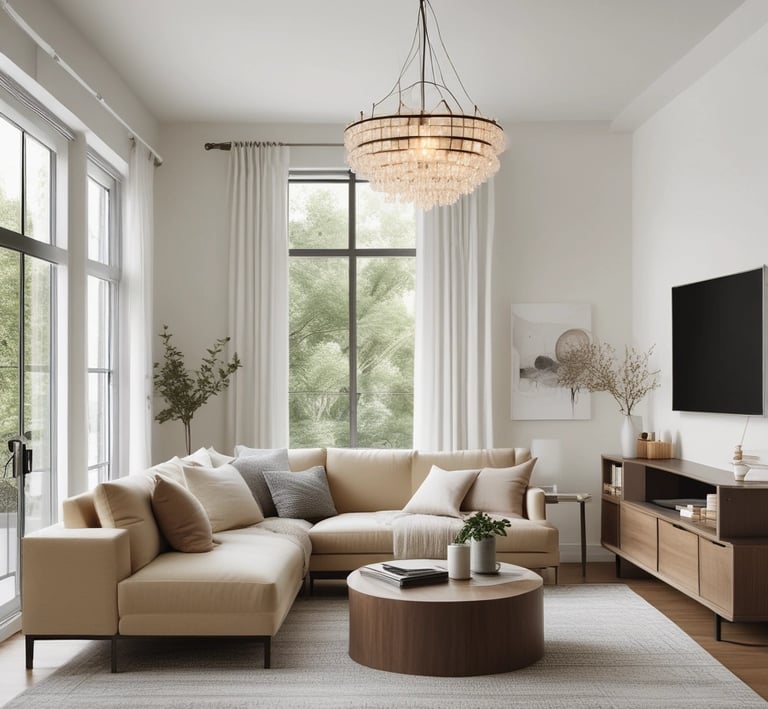
Understanding the Role of Lighting in Interior Design
Lighting serves a crucial role in interior design, acting as one of the vital elements that contribute to the overall ambiance and aesthetic appeal of a space. Different types of lighting—namely ambient, task, and accent—play unique roles in enhancing the functionality and visual intrigue of a room. Ambient lighting provides the foundational illumination necessary for any space, ensuring that it is adequately lit while maintaining a sense of warmth and comfort. This type of lighting may come from ceiling fixtures, wall sconces, or lamps, creating a balanced and welcoming environment.
Task lighting, on the other hand, is specifically designed to facilitate activities that require focused illumination, such as reading, cooking, or studying. This can be provided by desk lamps, under-cabinet lights, or track lighting, which help to eliminate shadows and offer brighter surfaces for various tasks. The interplay of ambient and task lighting is crucial in creating functional spaces that cater to daily activities while considering aesthetics.
Accent lighting highlights particular features in a room, drawing attention to art pieces, architectural elements, or textured walls. This type of lighting can elevate the overall design by adding layers and depth, making areas of interest stand out. Statement light fixtures embody both function and ornamental appeal, serving as striking focal points that can define the personality of a room. The psychological effects of light should not be underestimated; proper lighting can influence mood, productivity, and well-being, thereby intertwining with the physical design of a space.
In conclusion, the thoughtful integration of lighting in interior design enhances both functionality and aesthetics, creating environments that are not only visually pleasing but also conducive to the activities undertaken within them.
Identifying Your Style and Space Requirements
Choosing the right statement light fixture begins with identifying your personal style and assessing the space requirements of the room. It is essential to evaluate the size and layout of the area where the fixture will be installed, as well as the existing decor. Each room presents unique characteristics that can influence your light fixture selection. For instance, a small, cozy nook may be best complemented by a compact, understated piece, while a large, open space deserves a more striking and bold design.
Begin by analyzing the current design elements within your room. Consider the color palette, furniture style, and overall atmosphere. A modern space with clean lines can benefit from fixtures that feature geometric designs and metallic finishes. Conversely, if the decor leans toward a traditional or classic aesthetic, select a fixture that offers ornate details, perhaps with a warm, vintage finish.
The scale of the light fixture is crucial; it should harmonize with the dimensions of the room to create a balanced look. For high ceilings, elongated chandeliers can add drama and elegance, whereas low-hanging pendants might be more suitable in spaces with lower ceilings to avoid overwhelming the area. Additionally, think about the shape of the fixture; the choice between round, geometric, or organic shapes should echo the lines found in the existing furnishings.
Finally, color plays a significant role in your choice. Opt for a fixture that complements or contrasts effectively with the room's color scheme without clashing. By thoughtfully considering these factors, you can confidently select a light fixture that becomes a focal point in your space, enhancing its beauty while reflecting your personal style. This approach ensures that your lighting not only meets functional needs but also aligns with your aesthetic preferences.
Choosing the Right Type of Light Fixture
When selecting a statement light fixture, understanding the different types available is essential to ensuring both aesthetic appeal and functionality in your space. The primary categories include chandeliers, pendant lights, wall sconces, and floor lamps, each with unique attributes suited to various settings.
Chandeliers are often the centerpiece of a room, featuring multiple arms that allow for a significant amount of light. They are commonly placed in dining rooms or entryways, where their grandeur can be fully appreciated. Depending on the design, chandeliers can accommodate different bulb types, including incandescent, LED, or halogen, with wattage varying based on the fixture's size and the desired brightness.
Pendant lights offer more versatility and can be used in multiple spaces, particularly in kitchens or above dining areas. They are available in various styles, from modern to industrial, and can be adjusted in height to create the perfect ambiance. It's crucial to consider the wattage when choosing pendant lights, as they often require lower wattage bulbs, especially when grouped in multiples.
Wall sconces serve a dual purpose of providing light while complementing wall decor. Ideal for hallways, living rooms, or as accent lighting in bedrooms, they can be hardwired or plugged in. Opting for LED sconces can promote energy efficiency, as they typically consume less electricity than traditional bulbs.
Lastly, floor lamps offer flexibility and mobility, suitable for both ambient and task lighting, particularly in living rooms or home offices. These fixtures come in various styles and heights, often requiring higher wattage bulbs for sufficient light. Considering the bulb type and energy rating can help in selecting an efficient and effective floor lamp.
Understanding these types will guide you in choosing the most suitable statement light fixtures for your rooms, thriving at the intersection of style and practical fitting within your home.
Tips for Installation and Maintenance
When it comes to incorporating a statement light fixture into your space, the installation process is just as critical as the selection of the fixture itself. One of the first steps is to ensure that the fixture complies with the local electrical codes and standards. This typically involves determining the appropriate electrical box and wiring, which should be rated to handle the weight and power of the fixture. In case you do not feel comfortable handling electrical installations, it is highly advisable to engage the services of a qualified electrician. They can help ensure that the fixture is installed safely and securely, significantly reducing the risk of electrical hazards.
Maintenance of your statement light fixture is equally important for longevity and aesthetic appeal. Regular cleaning not only promotes a polished appearance but also ensures optimal performance. It is generally recommended to turn off the power supply before cleaning the fixture. Dust and grime can be gently removed using a soft, dry cloth. For fixtures with more intricate designs, a slightly damp cloth with mild soap can be effective, ensuring that no abrasive cleaners are used to prevent damage. If your fixture includes crystal or glass elements, using a specialized glass cleaner can enhance their shine.
Additionally, be proactive about troubleshooting common issues. Flickering lights, for instance, may indicate a loose connection or a faulty bulb that needs replacing. If problems persist, consulting with a professional may be necessary to avoid further complications. The importance of periodic inspections cannot be overstated; a routine check can uncover any potential issues in wiring or connections before they escalate. In these ways, proper installation and maintenance will keep your statement light fixture not only functional but also an enduring centerpiece in your home.