
Finding the Perfect Counter Stools for Your Kitchen: A Comprehensive Guide
This post may contain affiliate links, which means I might make a small commission (at no extra cost to you) if you decide to make a purchase through one of these links. I only recommend products I actually use or genuinely believe will bring value to your home. Thank you so much for the support!
2/15/2026
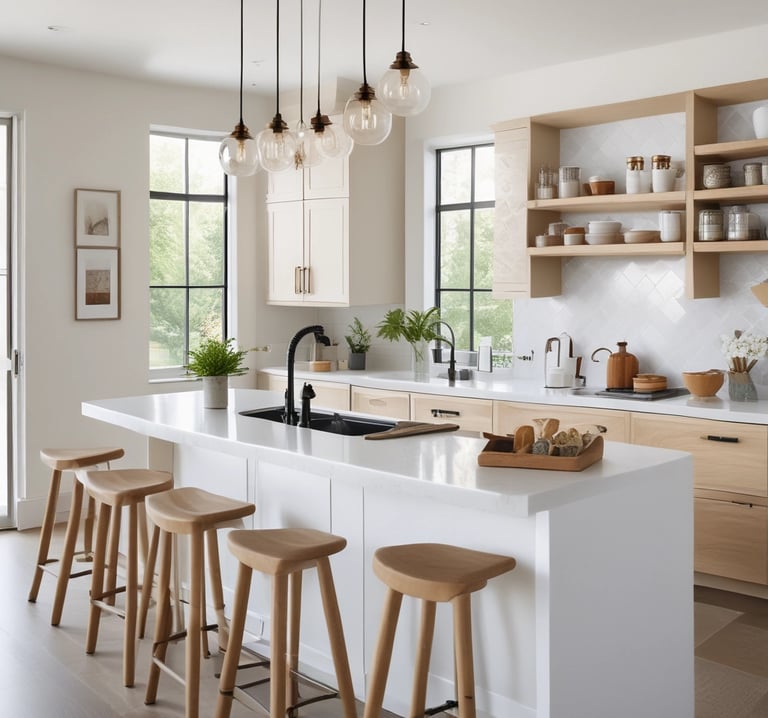
Understanding Counter Stool Heights and Dimensions
Choosing the right counter stool height is essential for achieving comfort and functionality in your kitchen. Standard counter heights typically range from 34 to 36 inches, and the right counter stools should harmonize with these measurements. To ensure optimal seating, it is recommended that the height of the stool seat be about 10 to 12 inches lower than the countertop. This difference allows for adequate legroom and ensures that users can sit comfortably without straining their legs or backs.
Counter stools generally come in three standard heights: counter height, which is about 24 to 26 inches; bar height, measuring around 28 to 32 inches; and extra tall, which can reach up to 34 inches. When selecting counter stools for your kitchen or island, it is crucial to first measure the height of your counter. By doing so, you can determine the appropriate stool height that will provide both comfort and aesthetic appeal.
Furthermore, dimensions should not only consider height but also width and depth. A counter stool should have a comfortable seat width of at least 16 to 20 inches and a depth that allows users to sit back comfortably. Additionally, taking the layout of your kitchen into account is vital for ensuring there is enough space for movement. When arranging counter stools, a clear aisle of approximately 30 inches should be maintained around the seating area, allowing easy access for other kitchen activities.
In summary, understanding the standard counter heights and measuring your space effectively are fundamental steps toward selecting the perfect counter stools. This attention to detail will create a seamless and enjoyable dining experience while enhancing the overall design of your kitchen.
Styles and Materials of Counter Stools
Counter stools come in a variety of styles and materials, each offering distinct aesthetics and functionalities that can enhance the overall appeal of your kitchen. Understanding these differences is essential for selecting the perfect counter stools that align with your home decor.
Among the popular styles of counter stools, contemporary designs often feature sleek lines and minimalist features that exude sophistication. These stools are typically made with modern materials like metal or molded plastic, creating a polished look. In contrast, rustic styles evoke a warm and inviting ambiance, often utilizing reclaimed wood or distressed finishes that emphasize natural beauty and craftsmanship.
Industrial-style counter stools combine raw, unfinished materials and utilitarian forms. Frequently constructed with metal frames and wooden seats, they create a modern yet rugged aesthetic, ideal for urban settings. Traditional counter stools, on the other hand, are characterized by intricate details, curved silhouettes, and classic upholstery, contributing a timeless charm to the space.
In terms of materials, wood is a versatile option, offering durability and a range of finishes. Oak, walnut, and pine are commonly used for their strength and beauty. Metal counter stools can provide durability and are generally easier to maintain, making them suitable for high-traffic areas. Upholstered options add comfort and a touch of elegance, allowing you to enhance your kitchen color scheme or style through various fabrics and patterns.
The selection of counter stool style and material not only impacts the visual appeal of your kitchen but also influences comfort and practicality. Therefore, it is crucial to consider the overall kitchen aesthetic when choosing the perfect counter stools, ensuring they enhance both function and design.
Color Coordination and Visual Appeal
Choosing the right counter stools for your kitchen involves more than simply considering their functionality; color coordination plays a crucial role in the overall aesthetic of the space. To begin with, it is essential to examine the color palette of your kitchen. Counter stools should enhance the existing hues found in cabinetry, countertops, and decorative accents. A harmonious color scheme not only ties the room together but also creates a polished, inviting atmosphere.
When selecting counter stools, consider opting for colors that either complement or contrast artfully with your kitchen's features. For instance, if your kitchen boasts creamy white cabinetry, adding counter stools in bold navy or rich walnut can inject depth and interest. Alternatively, softer stools in shades of beige or light gray may offer a more understated look that promotes a serene ambiance. The goal is to create a visual balance that enhances the kitchen's character.
An effective approach is to incorporate a mix of materials and finishes that resonate with your existing design elements. For example, if your countertops are made of granite with specks of gold, counter stools featuring metal accents in similar tones can elegantly unify the space. It is also advisable to experiment with textures—wooden stools paired with metal accents may generate a sophisticated contrast while ensuring a cohesive style.
Moreover, it is vital to consider the visual flow within the kitchen area. Ensure that the chosen counter stools do not disrupt the line of sight or the overall layout, enabling easy movement around the kitchen. By thoughtfully selecting colors and styles that enhance the kitchen's overall design, you can ensure that your counter stools serve not only as functional seating but also as a key element of visual appeal in your kitchen decor.
Functionality and Comfort Factors
When selecting counter stools for your kitchen, functionality and comfort are paramount considerations that significantly enhance the user experience. The first aspect to evaluate is seat height. Ensuring that the stools are compatible with your kitchen counter height is crucial for both comfort and practicality. Typically, counter stools should have a seat height that ranges from 24 to 26 inches for standard counters, which are usually between 36 to 39 inches high. This ensures that users can sit comfortably and interact easily with the countertop.
Another important factor is back support. While some may prefer minimalist designs with no backrest, a stool with a backrest can provide additional comfort and promote better posture during extended use. For family-oriented households or high-traffic kitchens, choosing stools with ergonomic designs that support the lower back will help reduce fatigue and improve overall seating quality.
Cushioning also plays a vital role in comfort. When selecting counter stools, it is advisable to evaluate the quality of the cushioning. High-density foam offers a good balance between softness and support, making it a preferable choice for those who spend more time seated at the counter. Additionally, consider the material of the upholstery; easy-to-clean fabrics are particularly beneficial in busy kitchens, where spills and messes are common.
Durability must not be overlooked, particularly for families or homes with children. Selecting stools constructed from sturdy materials, such as hardwood or metal, will ensure your choice withstands frequent use without compromising on aesthetics. Moreover, assessing the ease of cleaning will aid in maintaining the appearance of your stools over time. In conclusion, finding the right balance between functionality, comfort, and durability in your counter stools will lead to a more enjoyable and practical kitchen space.