
How to Choose the Best Runner Rug for Your Kitchen, Hallway, or Bathroom
This post may contain affiliate links, which means I might make a small commission (at no extra cost to you) if you decide to make a purchase through one of these links. I only recommend products I actually use or genuinely believe will bring value to your home. Thank you so much for the support!
1/23/2026
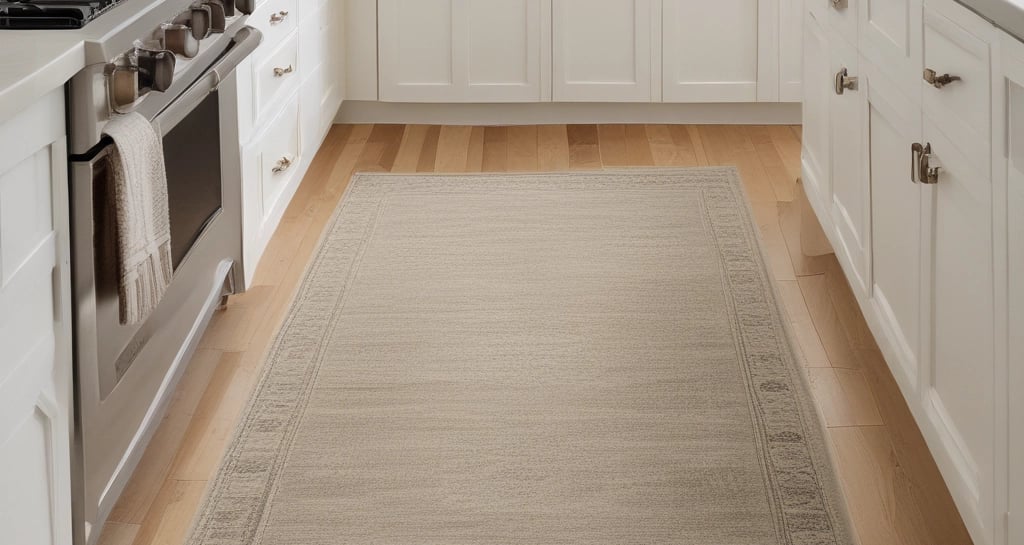
Understanding the Function of Runner Rugs
Runner rugs serve multiple important functions in areas of the home that experience frequent foot traffic such as kitchens, hallways, and bathrooms. One of the most significant benefits of these rugs is their ability to enhance safety. In spaces where spills and moisture may occur, such as kitchens and bathrooms, runner rugs can provide crucial traction, reducing the risk of slips and falls. This safety feature is particularly valuable in homes with children and elderly individuals, who may be more susceptible to accidents.
In addition to safety, runner rugs contribute to the comfort of standing for extended periods. In kitchens where cooking often requires one to be on their feet for long durations, a well-cushioned runner can alleviate fatigue by providing a softer surface to stand on. Similarly, in bathrooms, a plush rug can add a level of comfort when stepping out of the shower or bath. This cushioning enhances the overall experience in these functional spaces by providing much-needed support.
Another essential role of runner rugs is their protective function. They act as a barrier between hard floor surfaces and the constant wear and tear that can occur from foot traffic, protecting floors from scratches, spills, and stains. This is particularly beneficial in high-traffic areas where the flooring material is susceptible to damage over time. Furthermore, many runner rugs are designed to be easily cleaned or are made from materials that resist staining, maintaining the aesthetics of your flooring.
Finally, runner rugs offer significant aesthetic appeal, complementing the décor and incorporating color, texture, and pattern to the overall design of a space. By choosing the right runner rug, one can seamlessly enhance the visual interest of a kitchen, hallway, or bathroom, making these frequently used areas more inviting and stylish. Overall, runner rugs play a multifaceted role, providing safety, comfort, protection, and an element of style to essential areas within the home.
Choosing the Right Material for Durability and Style
When selecting a runner rug for high-traffic areas like kitchens, hallways, or bathrooms, the choice of material is essential as it influences both durability and aesthetic appeal. Various materials are available, ranging from synthetic fibers to natural options and blends, each offering distinct advantages and drawbacks.
Synthetic fibers, such as nylon and polyester, are renowned for their durability and resistance to stains and moisture. These materials are particularly advantageous in a kitchen or bathroom setting, where spills are common. Nylon, for example, boasts a high resilience to wear and tear, making it suitable for runner rugs that will experience heavy foot traffic. However, while synthetic runners are easier to clean, they may not provide the same warmth or natural aesthetic that some homeowners seek.
On the other hand, natural fibers like wool and cotton offer an inviting and elegant look. Wool, being naturally stain-resistant and durable, excels in high-traffic conditions while also providing comfort underfoot. It is, however, more challenging to clean and may not be as water-resistant as synthetic rugs. Cotton is softer and offers great versatility in design but can wear down more quickly than synthetic options, especially in areas exposed to frequent moisture.
Blended rugs combine the strengths of both natural and synthetic fibers, creating a balanced option that embraces durability and visual appeal. These rugs can withstand significant foot traffic while also being designed to complement various décor styles. Nevertheless, the cleaning requirements may vary based on the proportion of natural fibers used.
In assessing which material is the right fit, consider both the location of the runner rug and the level of traffic it will encounter. The right choice not only enhances the durability of the rug but also contributes significantly to the overall style of your space.
Size and Shape Considerations for Ideal Fit
Choosing the right size and shape for your runner rug is crucial to achieving both functionality and aesthetic appeal in your kitchen, hallway, or bathroom. To begin, accurately measuring your space is essential for ensuring that the rug will fit well without overwhelming or underwhelming the area. Start by using a measuring tape to determine the length and width of the intended space. It is advisable to consider not only the dimensions of the area but also the layout of furniture and fixtures within that space.
For instance, in a kitchen, if the runner is to be placed in front of a sink or cooking area, ensure that it is long enough to allow for movement while preparing food or washing dishes. A width of approximately two to three feet is typically appropriate, as it provides enough coverage without obstructing doorways or cabinets. In a hallway, a longer and narrower shape is often preferred, aligning with the elongated nature of the space.
In addition to size, consider how the runner rug will interact with traffic flow. Place the rug where it can endure the highest activity without losing its charm or safety. Opt for shapes that meet the specific needs of your area: rectangular rugs can enhance longer spaces, while oval or round shapes may soften sharp corners or linear designs. Furthermore, the overall design theme of the room can significantly influence your rug choice; a modern kitchen may benefit from sleek, straightforward shapes, while a more traditional bathroom might harmonize with intricate patterns and rounded edges.
Lastly, take your time in visualizing how the rug will complement existing decor elements, including colors and textures. By weighing these considerations, you can select a runner rug that not only fits well but also elevates the entire aesthetic of the room.
Tips for Maintenance and Care of Runner Rugs
Maintaining the beauty and functionality of runner rugs in high-traffic areas such as kitchens, hallways, and bathrooms requires consistent care and attention. The presence of foot traffic and exposure to moisture can lead to staining and deterioration if not managed properly. To keep your runner rugs looking their best, it is essential to implement an effective cleaning and maintenance routine.
First and foremost, regular vacuuming is crucial. For runner rugs, it is advisable to vacuum at least once a week to remove dirt and debris that can accumulate over time. Be cautious when using vacuum attachments on delicate fibers, as this could cause damage. In case of spills, promptly blot the area with a clean cloth, absorbing excess moisture rather than rubbing it, which might embed the stain further.
For fabric-specific care, different materials have unique requirements. For example, synthetic fibers like nylon or polypropylene can be cleaned with mild soap and water, making them durable options that are resistant to staining. In contrast, natural fibers such as wool or cotton may require professional cleaning to avoid the risk of shrinking or damage during typical washing. Always check the care label for specific instructions based on the rug's material.
Moreover, protecting runner rugs from water damage is vital, particularly in moisture-prone areas. Consider using a waterproof pad underneath the rug to absorb spills and prevent slipping. Additionally, it is advisable to avoid placing rugs directly in front of sinks or water sources without some type of barrier. Incorporating mats or absorbent towels can further promote a moisture-free environment.
In conclusion, a well-planned maintenance schedule, combined with careful handling and an understanding of material-specific needs, will ensure that your runner rugs remain elegant and serviceable for years to come.